
5 Best Materials for Custom Food Packaging
When it comes to sustainable food packaging, there are numerous options available. From a sustainability and functionality perspective, food packaging companies have a great deal to consider.
And if you’re venturing into organic food packaging materials, that’s an entirely different scenario. Custom food packaging can quickly become highly nuanced and complex.
Types of Food Packaging
The most straightforward classification in the industry is flexible versus rigid packaging. We tend to focus on the flexible packaging sector. Glass and aluminum are excellent choices for beers and pickles.
For all other food products, we believe adopting a sustainable mindset is better for the world.
How to Decide Which Material Is Best For Your Food Product.
In this quick guide, we’ll review the top five materials you should consider for your brand’s custom food packaging.
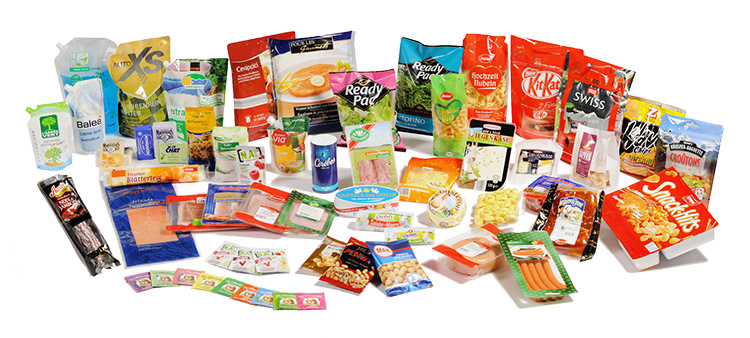
1. Flexible pouches
Flexible pouches are the future of food packaging and represent the fastest-growing segment in the industry. Customers love them because they are environmentally friendly, eye-catching on store shelves, durable, and take up far less space than other packaging options.
Stand-up pouches are much more cost-effective and lighter to ship, which also helps continuously reduce costs.
Another major advantage of stand-up pouches is their high customizability. Whatever design you envision can be printed on the pouch.
Additionally, they can be equipped with package valves to prevent oxygen from seeping into the bag and spoiling the product. For products like coffee or granola, this is a significant benefit.
When determining the best option for your company, consider the values your brand advocates. If you want the market to recognize your brand as a leader in your field, is this recognition based on sustainability or ease of use? Are you aiming to be sold in stores across the country, or are you content with small-batch sales at farmers’ markets?
2. Rollstock
Rollstock is a practical and sensible choice. It is fast, efficient, and affordable, helping keep production costs low while allowing for quick customization. Moreover, its sustainability and minimal waste contribute to lower operational costs.
Rollstock uses two rolls of flat film, one of the most affordable barrier materials for vacuum packaging. The bottom layer is a forming film used to shape the bottom of the package, while the other layer is for sealing.
3. Mylar bags
If you’re looking for packaging that can stand the test of time, Mylar bags are the way to go. Mylar is a popular choice due to its high tensile strength, flexibility, and excellent barrier properties.
They are extremely strong and won’t tear under weight. Their flexibility allows them to conform to the shape of the food inside, providing effective protection. The airtight isolation feature helps control oxygen infiltration caused by light exposure and humidity.
4. Lay flat
If you’re looking for packaging that resembles a pillow rather than standing upright on a shelf, lay flat bags may be an attractive option.
Like stand-up pouches, they offer the same barrier protection but lay flat instead of standing upright.
5. Sachet packaging
This type of packaging is ideal for single-use samples or on-the-go consumption.
If you’re selling vitamin powder or samples of your energy drink powder, sachet packaging can be a practical promotional tool. It’s a great way to let people get to know your brand through samples.
If you’re interested in custom food packaging, let’s talk. We’d love to help your company become greener and create packaging that impresses customers everywhere.