
For modern consumer brands, the package is the “silent salesman.” Whether it’s a high-gloss stand-up pouch for premium coffee or a child-resistant bag for medical supplements, custom flexible packaging is the most critical touchpoint for your brand identity.
However, navigating the world of technical specifications, material structures, and manufacturing costs can be overwhelming. In this guide, we’ll break down how to design and source custom packaging that stands out on the shelf while remaining cost-effective.
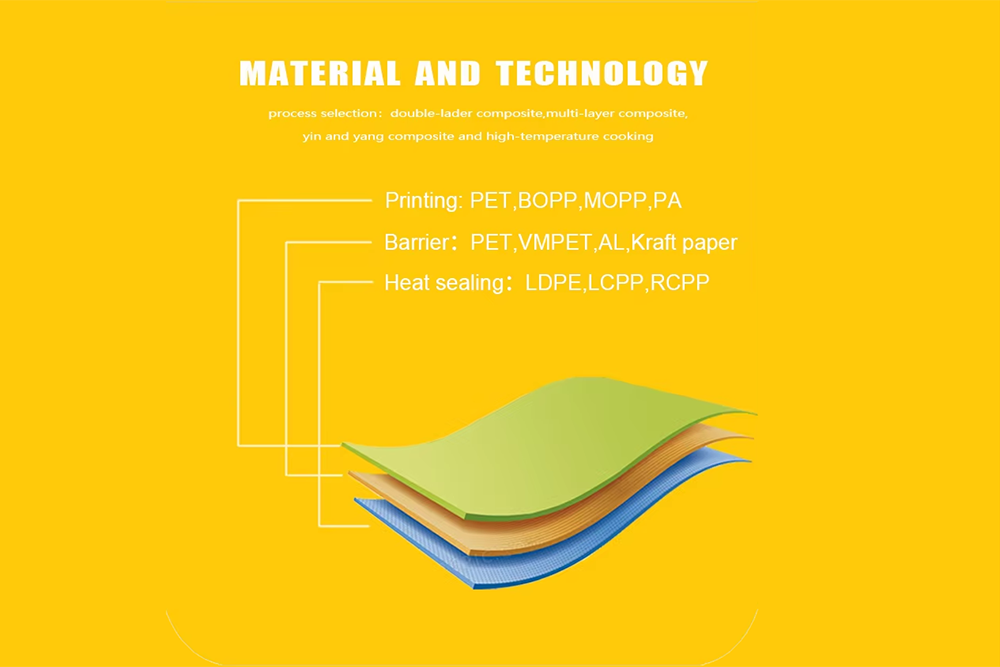
1. Defining Your Material Structure (The Foundation of “Custom”)
Customization starts from the inside out. There is no “standard” bag; there is only the right structure for your specific product.
- For High-Aroma Products (Coffee/Tea): You need an aluminum foil (AL) or metalized (VMPET) layer to lock in volatile oils.
- For Liquid/Heavy Products: Focus on the seal strength (LLDPE) and puncture resistance of the laminate.
- For Organic Foods: Look into Kraft paper laminates for a natural feel without compromising the oxygen barrier.
Sunshine Tip: Don’t pay for over-engineered materials. By calculating your product’s actual shelf-life needs, we can often optimize the film thickness, saving you 10-15% in material costs.
2. Choosing Between Digital and Gravure Printing
One of the biggest decisions in custom flexible packaging is the printing method.
- Gravure Printing (The Industry Standard): Ideal for large runs (usually 10,000+ units). It offers the lowest per-unit cost and the highest color consistency. At Sunshine Packaging, our BOBST high-speed lines ensure that even the most complex gradients are reproduced perfectly.
- Digital Printing: Best for very small batches or SKU testing. While the per-unit cost is higher, there are no cylinder (plate) fees.
3. Mastering the Cost Drivers
Why do quotes for custom flexible packaging vary so much? Here are the 3 factors that influence your final price:
1.Cylinder Fees: In gravure printing, each color requires a dedicated copper cylinder. Minimizing the number of colors in your design can significantly reduce initial setup costs.
2.Order Volume (The MOQ Effect): Packaging is a game of scale. Increasing your order from 10,000 to 30,000 units can often drop the unit price by 20% or more.
3.Special Features: Zippers, tear notches, and valves add functionality but also add to the manufacturing time and cost.
4. Why the Manufacturing Environment Matters
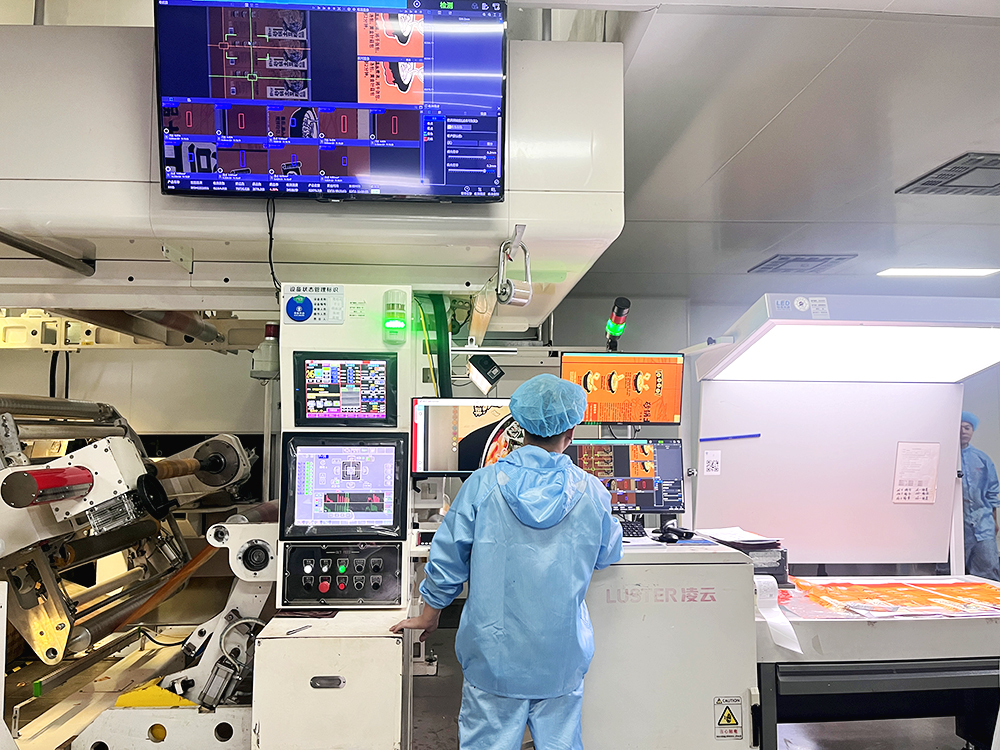
When you order custom flexible packaging for food or supplements, you are buying more than just plastic; you are buying safety. A manufacturer using a Class 100,000 dust-free workshop guarantees that your packaging is free from contaminants. This is critical for passing third-party audits and ensuring that your brand is never associated with a safety recall.
5. Checklist: What to Provide Your Supplier for an Accurate Quote
To get the best results from your flexible packaging supplier, ensure you provide the following:
- Dimensions: Width x Height x Bottom Gusset.
- Product Content: What are you filling? (Crucial for material compatibility).
- Quantity per SKU: How many designs are in the total run?
- Aesthetics: Matte, Glossy, or UV Spot finish?
Conclusion: Partner with a Specialist
Customizing your packaging shouldn’t be a gamble. At Sunshine Packaging™, we combine a decade of technical expertise with world-class equipment to deliver results that exceed expectations. From initial material consultation to final global delivery, we are your partner in growth.
Ready to start your custom project?